
Lighting Layers: Creating Ambiance and Function
Understand task, ambient, and accent lighting. We’ll show you how to layer light for both beauty and practical everyday use.
Why Lighting Matters More Than You Think
Most people think about lighting as an afterthought. You pick a fixture, hang it up, and call it done. But here’s the thing — lighting fundamentally changes how a space feels and functions. It’s not just about being able to see. It’s about creating mood, directing attention, and making everyday tasks easier.
The difference between a room that feels awkward and a room that feels inviting often comes down to one thing: layered lighting. When you understand how to combine three types of light strategically, you’ll transform any space. We’re going to break this down for you so you can apply it immediately.
The Three Types of Lighting
Designers talk about lighting in three categories, and there’s a good reason for this framework. Each type serves a specific purpose, and when you combine them properly, you create depth and flexibility in how a space functions.
Ambient Lighting
Ambient light is your baseline illumination. It’s the general light that fills the entire room. Without it, everything else feels harsh and incomplete. Recessed ceiling lights, flush mounts, and chandeliers typically provide ambient light. You want enough to see comfortably without squinting, but not so much that it feels clinical or sterile.
Task Lighting
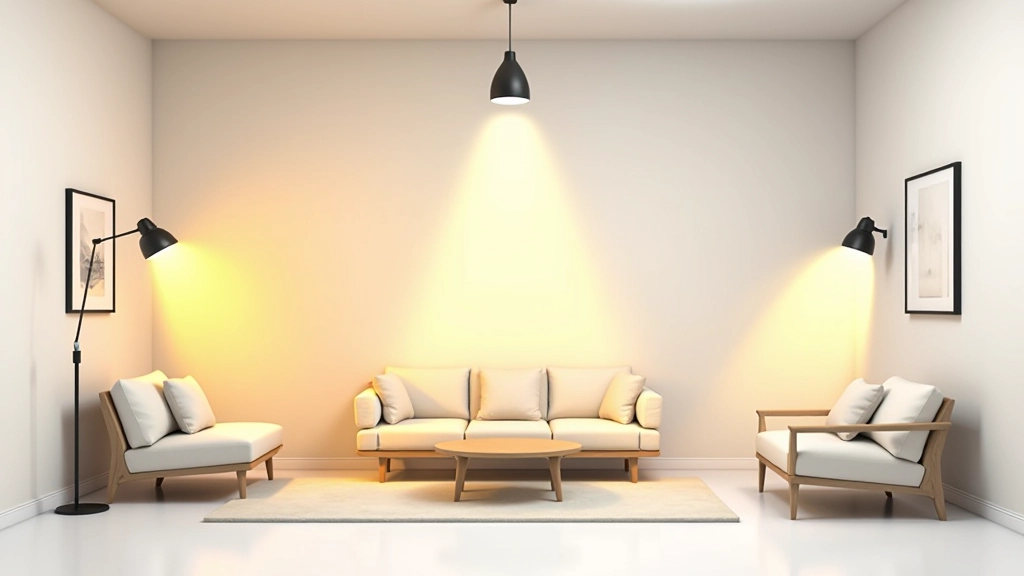
Task lighting targets specific areas where you actually do things. Reading, cooking, working at a desk — these activities need focused, bright light. Desk lamps, under-cabinet kitchen lights, and reading lights are task lighting. The key is positioning it so you’re not casting shadows on your own work.
Accent Lighting
Accent lighting is purely about aesthetics and drama. Wall sconces, uplighting on artwork, or spotlights on architectural features — these create visual interest and guide the eye. Accent lighting makes a space feel designed and intentional. It’s what transforms a room from functional to beautiful.
How to Layer Lighting in Practice
The real magic happens when you combine these three types thoughtfully. You’re not choosing one or the other — you’re building a system that works for how you actually use the space.
Start with Ambient
Install your baseline lighting first. This is typically 1.5 to 2 watts per square foot of recessed or flush-mounted ceiling lights. In a 200 square foot living room, that’s roughly 300-400 watts total. Make sure it’s dimmable — this flexibility is essential.
Add Task Lighting Where You Need It
Identify areas where people actually sit and do things. Kitchen counters, reading chairs, desks. Place task lights 15-18 inches above the work surface, angled to eliminate glare. Task lights should be 3-4 times brighter than ambient lighting in that zone.
Finish with Accent Lighting
Now add the visual interest. Wall sconces flanking a mirror or artwork, uplighting on crown molding, or spotlights on shelving. These shouldn’t be bright — accent lighting typically contributes only 5-10% of total illumination. Its job is to create depth and draw attention.
Color Temperature: The Often-Missed Detail
Here’s what most people overlook: the color of light matters as much as its brightness. Light is measured in Kelvin (K), and the range matters significantly for how a space feels.
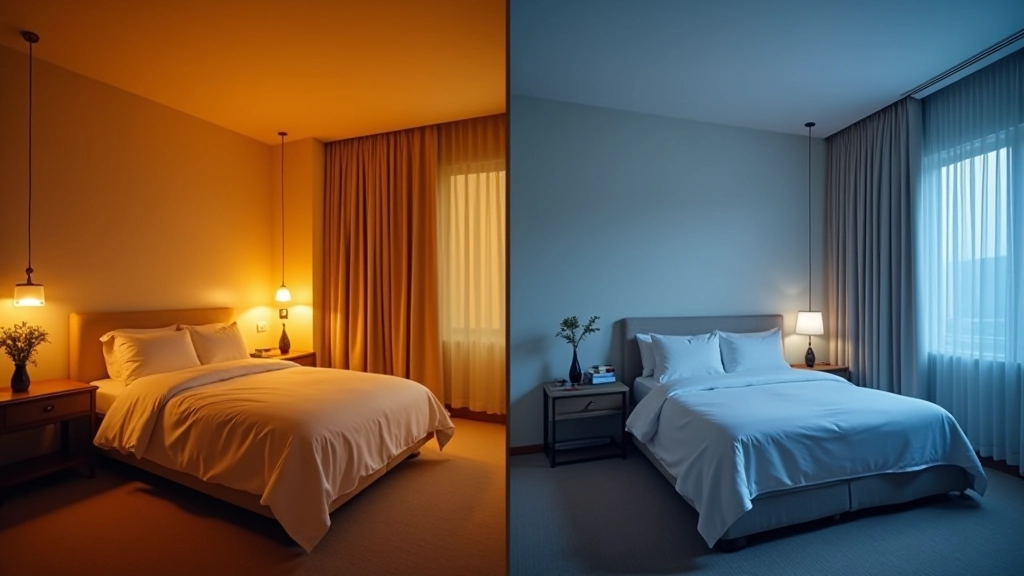
Warm light (2700K-3000K) feels cozy and intimate. It’s what you want in bedrooms, living rooms, and dining areas. Cool light (4000K-5000K) feels energetic and clinical. It’s better for kitchens, bathrooms, and work areas. Daylight (5500K+) is harsh and rarely what you want indoors unless you’re in a studio or creative workspace.
The mistake? Mixing color temperatures in one space. If your ambient light is 3000K and your task lighting is 5000K, the space will feel disjointed and uncomfortable. Choose a consistent color temperature across all three layers, then use brightness to differentiate them.
Real-World Examples: Room by Room
Bedroom
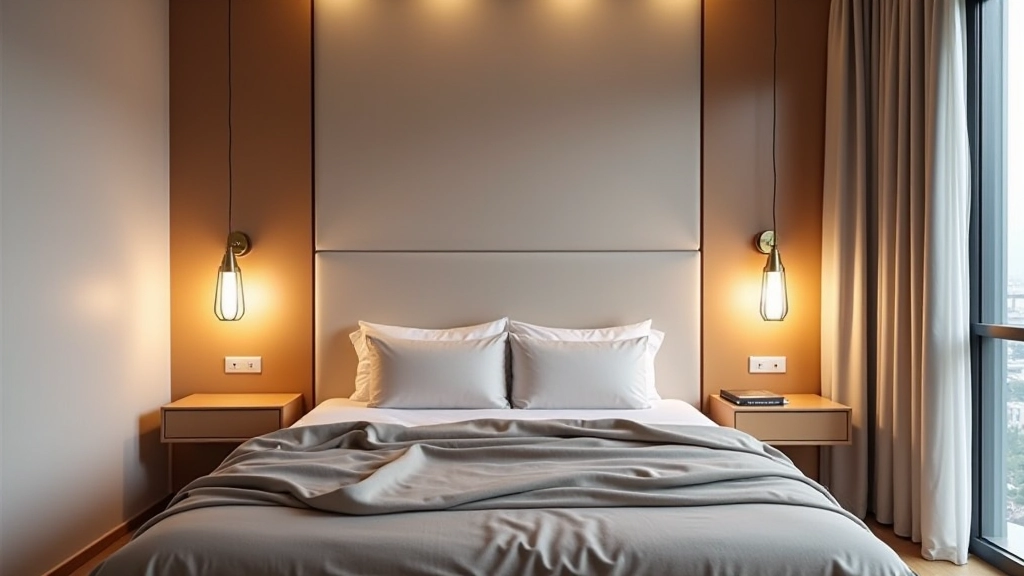
Ambient: Dimmable ceiling fixture or recessed lights (2700K). Task: Bedside table lamps for reading. Accent: Wall sconces flanking headboard or subtle uplighting on architectural details. The goal here is flexibility — you need bright light to get ready, then dim, warm light for sleep.
Kitchen
Ambient: Recessed or flush lights providing even coverage (3000K-4000K). Task: Under-cabinet lighting above work surfaces, pendant lights over islands. These need to be bright — 400-500 lumens per task area. Accent: Consider light inside glass cabinets or uplighting crown molding if there’s visual interest to highlight.
Living Room
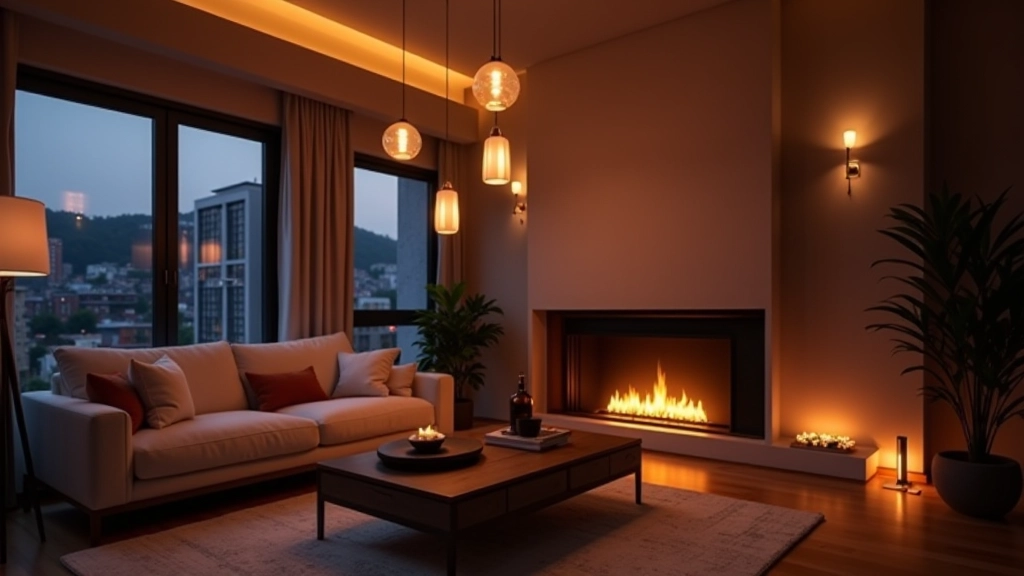
Ambient: Central chandelier or recessed lights on a dimmer (2700K). Task: Floor or table lamps near seating for reading. Accent: Wall sconces, picture lights on artwork, or subtle uplighting. Living rooms benefit most from layering because they’re used for multiple activities throughout the day.
Home Office
Ambient: Overhead lighting preventing harsh screen glare (3500K-4000K). Task: Desk lamp positioned to the side of your monitor, eliminating reflections. Aim for 300-500 lumens. Accent: Optional — perhaps subtle wall lighting to add visual interest without distraction.
Key Takeaways for Your Lighting Design
- Install dimmers everywhere. You’ll use them more than you expect. Dimmable lights are 10-15% more expensive but worth every penny for flexibility.
- Choose one color temperature and stick with it. Mixing warm and cool light in the same room creates visual confusion. Consistency creates harmony.
- Position task lights carefully. Shadows on your work surface defeat the purpose. Experiment with placement before finalizing fixtures.
- Accent lighting should be subtle. If people notice the accent light fixture itself, you’ve gone too bright. The focus should be on what’s being lit, not the light source.
- Use bulbs strategically. LED bulbs now come in every color temperature and brightness level. A 60-watt equivalent LED uses about 9 watts and lasts 15,000 hours.
- Test before committing. Buy a few fixtures, install them temporarily, and live with them for a week. Lighting choices feel different depending on time of day and season.

About This Guide
This article provides educational information about lighting design principles. While these guidelines are based on established design practices, individual results will vary depending on your specific space, existing fixtures, and personal preferences. For custom lighting design consultations tailored to your home, we recommend reaching out to our team or consulting with a professional interior designer. Every space is unique, and what works beautifully in one room might need adjustment in another.

Ready to Transform Your Spaces?
Explore our full range of interior design courses or reach out to discuss your specific lighting and color design needs.
Explore All Courses